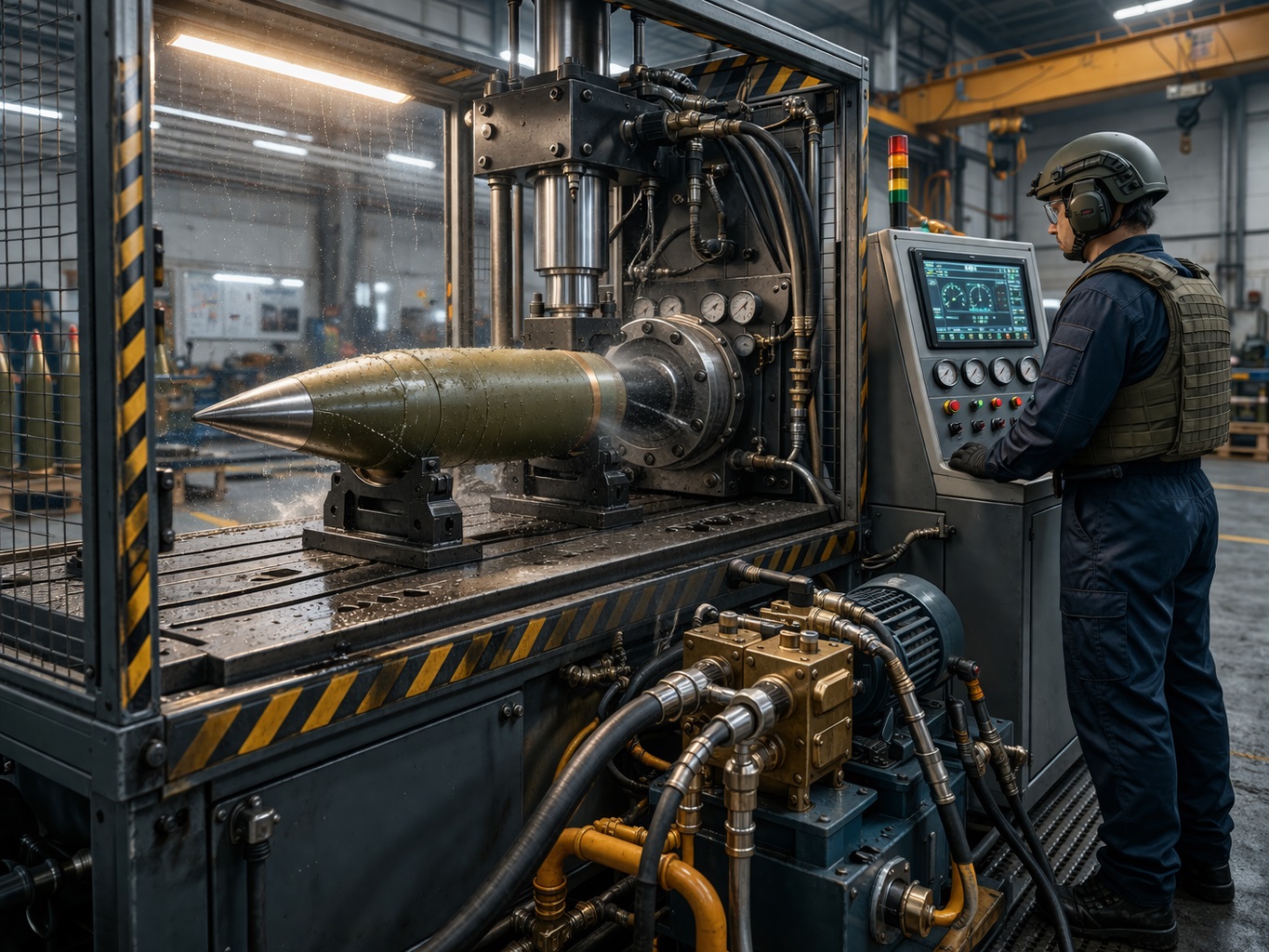
Modern testing systems, such as high-pressure rigs and automated test benches, ensure components meet stringent requirements before deployment. Explore a leading solution here:
👉 Bomb Shell Hydraulic Pressure Testing Machine up to 1800 Bar
Why Hydraulic Pressure Testing is Critical for Defence Systems
Defence components operate under extreme pressure, temperature, and environmental conditions. Failure in such systems can lead to catastrophic consequences, including mission failure and safety hazards.
Hydraulic pressure testing ensures:
- Structural integrity under high pressure
- Leak-proof performance
- Compliance with defence standards
- Operational safety and reliability
For procurement teams, selecting compliant testing equipment ensures that systems meet both military acceptance criteria and long-term durability requirements.
Overview of MIL-STD-1522 and Indian Defence Standards
The backbone of hydraulic pressure testing standards for defence procurement lies in globally recognised frameworks such as MIL-STD-1522 and Indian defence quality standards.
MIL-STD-1522
This U.S. military standard defines requirements for pressure testing of aerospace and defence systems. It includes:
- Proof pressure testing procedures
- Burst pressure validation
- Safety factors and acceptance limits
- Test documentation and traceability
MIL-STD-1522 ensures that pressure vessels and components can withstand operational loads without failure.
Indian Defence Standards
In India, defence procurement follows strict guidelines aligned with DRDO and DGQA requirements. These standards focus on:
- Indigenous testing capabilities
- Quality assurance protocols
- Safety compliance for ammunition and pressure systems
Testing systems like the
Bomb Shell Hydraulic Pressure Testing Machine
are designed to meet both international and Indian defence standards.
Comparison of Pressure Testing Methods
Understanding different testing methods is essential for selecting the right equipment and ensuring compliance.
1. Proof Pressure Testing
Proof testing involves applying pressure above the normal operating level to verify structural integrity.
- Typically 1.5× operating pressure
- Ensures no permanent deformation
- Used for acceptance testing
2. Burst Pressure Testing
Burst testing determines the maximum pressure a component can withstand before failure.
- Identifies safety limits
- Critical for design validation
- Destructive testing method
3. Cycle (Fatigue) Testing
Cycle testing evaluates how components perform under repeated pressure fluctuations.
- Simulates real-world conditions
- Identifies fatigue failure
- Ensures long-term durability
Advanced systems such as the
1800 Bar Hydraulic Pressure Testing Machine
support multiple testing modes with precision control.
Role of Computerized Hydraulic Test Systems
Modern defence testing relies heavily on computerized hydraulic pressure testing systems to improve accuracy, repeatability, and compliance.
Key benefits include:
- Automated pressure control
- Real-time data acquisition
- Digital test reports and traceability
- Enhanced safety through automation
Computerized systems eliminate human error and ensure consistent test results, making them essential for defence procurement programs.
Explore advanced testing capabilities:
👉 View Product Details
Key Features Required in Defence Pressure Testing Equipment
When selecting equipment for hydraulic pressure testing standards for defence procurement, procurement teams should look for:
- High-pressure capability (up to 1800 bar or more)
- Precision pressure regulation
- Robust safety mechanisms
- Data logging and reporting
- Compliance with MIL and ISO standards
The
Bomb Shell Hydraulic Testing Machine
is engineered to meet these requirements, offering reliability and compliance for defence applications.
Applications in Defence Procurement
Hydraulic pressure testing systems are widely used in:
- Artillery shell testing
- Ammunition validation
- Hydraulic system components
- Aircraft and aerospace systems
These applications require strict adherence to testing standards to ensure operational safety and mission success.
Future Trends in Defence Pressure Testing
The future of hydraulic pressure testing standards for defence procurement is driven by:
- Automation and AI-based diagnostics
- IoT-enabled monitoring systems
- Digital twin simulations
- Enhanced safety protocols
Defence organisations are increasingly adopting advanced testing technologies to improve efficiency and reduce risk.
Conclusion
Hydraulic pressure testing is a cornerstone of defence system reliability and safety. By adhering to standards such as MIL-STD-1522 and adopting advanced computerized testing systems, defence organisations can ensure compliance and operational readiness.
For procurement officers and engineers, investing in high-performance testing equipment is essential for meeting modern defence requirements.
Explore High-Pressure Testing Solutions
Defence Testing Solutions for USA, UK, Europe & the Middle East: Neometrix defence testing systems are trusted by armed forces and procurement agencies across the United States, United Kingdom, Europe, and Middle East including UAE and Saudi Arabia. Our equipment meets MIL-STD, STANAG, and AQAP defence quality specifications. Neometrix is DRDO-approved and ISO 9001 certified for defence exports to allied nations.