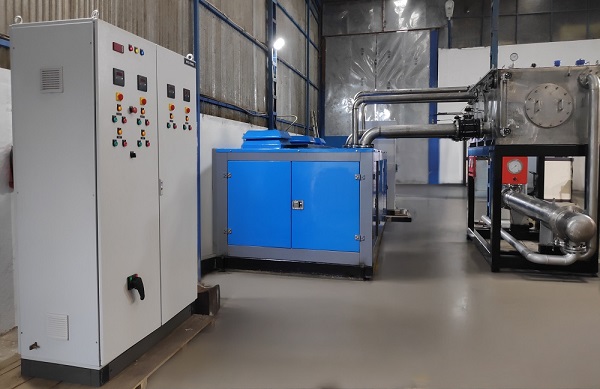

High pressure air and nitrogen are the working fluids of choice for actuation systems, landing gear, aircraft tyres, missile pneumatics, and emergency escape systems across aerospace and defence platforms. Before any pneumatic component enters service on an aircraft or military system, it must withstand rigorous pressure testing — proof testing, leak testing, and functional testing under controlled high-pressure conditions.
Unlike hydraulic testing (which uses incompressible fluid), pneumatic testing with compressed air or nitrogen carries significantly higher stored energy at any given pressure — making the design and operation of high pressure air test systems a serious safety engineering challenge, not just a test equipment procurement decision.
Why Pneumatic Testing is Different — The Energy Hazard
A hydraulic circuit at 350 bar contains relatively little stored energy — hydraulic oil is nearly incompressible. A pneumatic circuit at 350 bar (5,000 psi) contains enormous stored energy — compressed gas expands dramatically on release.
If a test component fails catastrophically during a hydraulic test, the result is typically a controlled pressure release and fluid spill. If a component fails during a pneumatic test at equivalent pressure, the result can be an explosive release of energy equivalent to a small explosive charge.
This is why high pressure air test systems require:
- Blast-rated test cells or containment chambers
- Remote control operation (operator not in the test cell during pressurisation)
- Pressure relief protection with fast-acting dump valves
- All components rated significantly above maximum test pressure
- Strict procedural controls on pressurisation rates
How High Pressure Air Test Systems Work
Compression and storage: A high-pressure air compressor (reciprocating or booster-type) charges a high-pressure receiver to the required test pressure. Typical aerospace pneumatic test pressures range from 200 bar to 700 bar depending on the system being tested.
Pressure control: Precision pressure regulators and servo-controlled valves deliver test pressure to the component under test. Closed-loop control maintains pressure to within ±0.5% of setpoint.
Instrumentation: Calibrated pressure transducers and temperature sensors monitor the test circuit. For leak testing, pressure decay measurement requires high-resolution transducers (0.01 bar resolution at 350 bar typical).
Safety systems: Redundant pressure relief devices, burst discs, automatic dump valves, and blast-rated enclosures protect personnel and equipment. EN 13849 / OSHA-compliant safety interlocks prevent access during pressurisation.
Data acquisition: PLC-based DAQ captures pressure and temperature vs time. Automated pressure decay calculations determine leak rates. Reports are generated per applicable standard requirements.
Applications in Aerospace and Defence
Aircraft pneumatic systems: Aircraft braking systems, nose gear steering, emergency exit door actuators, and thrust reverser actuators use high-pressure pneumatics. Components are tested per ASME B31.1 or specific aircraft manufacturer test specifications.
Aircraft tyre inflation systems: Aircraft tyres operate at high pressure (nitrogen-inflated). Ground support equipment for tyre inflation and pressure testing uses high-pressure nitrogen test systems.
Missile and munition pneumatics: Pneumatic actuation systems in missiles (fin actuators, safety/arming devices) are tested to MIL-PRF-27422 and related military specifications. Test cells must be rated for the energetic environment.
Aircraft oxygen systems: High-pressure oxygen charging and testing uses dedicated test systems with oxygen-compatible materials (no hydrocarbon contamination) to MIL-PRF-27210 requirements.
Emergency escape systems: Aircraft ejection seat catapult cartridges and canopy jettison systems use very high-pressure gas generators — tested in blast-rated facilities.
International Standards
| Standard | Region | Application |
|---|---|---|
| ASME B31.1 | USA | Power piping — pneumatic pressure test |
| ASME PTC 10 | USA | Compressor performance testing |
| EN 1012-1 | Europe | Compressors and vacuum pumps — safety |
| MIL-PRF-27422 | USA/NATO | Pneumatic components for aerospace |
| MIL-PRF-5518 | USA | Aircraft pneumatic system testing |
| NATO STANAG 4518 | NATO | Pneumatic interfaces for aircraft |
| RTCA DO-160 | USA/International | Environmental conditions for avionics |
Neometrix High Pressure Air Test System
The Neometrix High Pressure Air Test System is a computer-controlled pneumatic test facility for proof pressure, leak, and functional testing of aerospace and defence pneumatic components up to 700 bar.
Features: remote-controlled operation, blast-rated test cell, servo-controlled pressure delivery, high-resolution pressure decay measurement, and automated MIL-STD/EN-compliant test documentation.
→ View Specifications
→ Request a Quote
FAQ
Q: Why is pneumatic testing more hazardous than hydraulic testing?
A: Compressed gas stores far more energy than pressurised liquid at the same pressure, because gas is compressible. At 350 bar, a pneumatic circuit stores enough energy that catastrophic failure releases force equivalent to an explosion. This is why pneumatic test facilities require blast-rated enclosures, remote operation, and much more stringent pressure relief design than equivalent hydraulic test systems.
Q: What is pressure decay leak testing?
A: Pressure decay testing pressurises a sealed component to test pressure, then isolates it from the supply and monitors pressure over time. Any pressure decrease indicates leakage. Modern high-resolution pressure transducers can detect leak rates as low as 1 cc/min by monitoring pressure decay. Results are reported as leak rate (cc/min or scc/min at standard conditions) or as pressure drop over time.
Q: What is MIL-PRF-27422 and what does it require for testing?
A: MIL-PRF-27422 is the US military performance specification for pneumatic components used in aerospace applications. It specifies testing requirements including proof pressure test (1.5× working pressure), burst pressure test (minimum 4× working pressure), and operational/functional tests at temperature extremes. Testing must be performed with calibrated equipment producing traceable documentation.
Q: What pressure levels are used for aerospace pneumatic testing?
A: Aerospace pneumatic system pressures vary widely by application. Aircraft tyre inflation: 15–25 bar. Aircraft brake accumulators: 200–350 bar. Emergency oxygen systems: 150–200 bar. Missile actuation systems: 300–700 bar. High-pressure air test systems for aerospace must cover the full range relevant to the components being tested.
—
Neometrix Defence Ltd. designs and manufactures high pressure air test systems for aerospace, defence, and industrial pneumatic testing. [email protected]